

How to Find Peer-Reviewed Articles: A Step-by-Step Guide
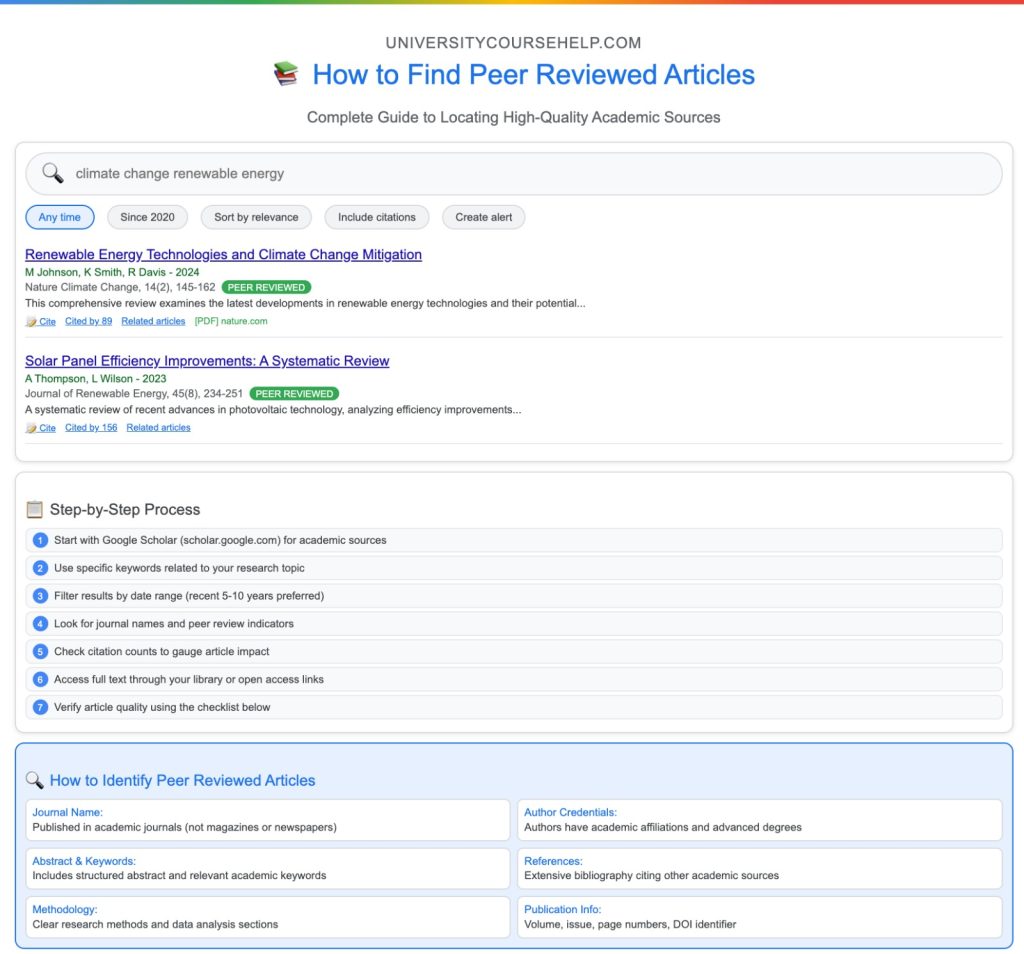
Finding peer-reviewed articles is crucial for academic research, as these sources ensure the highest level of credibility and expertise. Whether you’re working on a college paper, conducting a study, or diving into scientific research, peer-reviewed journals provide the foundation for quality work. In this post, we’ll explore how to find peer-reviewed articles, the tools you need, and tips to ensure your sources are reliable and academic.
What Is a Peer-Reviewed Journal?
A peer-reviewed journal is a scholarly publication that evaluates articles submitted for publication through a review process conducted by experts in the field. This process ensures that the article meets the academic standards for quality, accuracy, and contribution to the discipline. Articles in peer-reviewed journals undergo rigorous scrutiny by expert reviewers before being accepted for publication.
The peer review process is essential for ensuring the quality and validity of scientific studies, and it is widely used in fields like science, medicine, and social sciences. So, how can you tell if an article is peer reviewed? Typically, the journal’s editorial board, along with details on the journal’s website, will provide confirmation.
Journal Search: Where to Start Finding Peer-Reviewed Articles
When you begin your research, journal articles are among the most reliable sources you’ll encounter. To get started:
- Use Academic Databases: Begin by searching through academic databases like JSTOR, PubMed, or Web of Science. These platforms focus on peer-reviewed journals and offer easy access to a collection of scholarly work.
- Filter Results: Most academic databases have a filter or limiter for peer-reviewed journals. Ensure that you enable this filter to focus on the most credible sources.
- Look for Indicators: If you’re unsure about a source, check the publication details on the journal’s website. Most peer-reviewed journals clearly indicate their editorial process and review status.
How to Search for Peer-Reviewed Articles: Tips and Strategies
Learning how to search for peer-reviewed articles efficiently is key to finding relevant research for your paper. Here are some helpful strategies:
- Use Advanced Search Options: Tools like Google Scholar and academic search engines allow you to refine your search. Use advanced search features to filter for peer-reviewed articles by author, publication year, or discipline.
- Search by Keywords: Enter exact keywords related to your research topic. For example, if you’re researching mental health in adolescents, enter terms like “adolescent mental health” and use the search options to narrow results.
- Check the Journal: Always check if the journal is peer-reviewed. Leading academic journals will often mention their peer-reviewed status on their homepage or in their submission guidelines.
Google Scholar: A Powerful Tool for Locating Peer-Reviewed Articles
Google Scholar is one of the best tools for finding peer-reviewed journal articles online. Here’s how to use Google Scholar effectively:
- Go to Google Scholar: Navigate to Google Scholar, and enter your topic or the title of the paper you’re searching for.
- Look for Peer-Reviewed Articles: In the search results, many articles are from peer-reviewed journals, but it’s always wise to verify. Articles listed on Google Scholar are often indexed from scholarly sources like university presses, so most are scholarly articles. However, always check the journal details for confirmation.
- Cited by Feature: To evaluate an article’s impact, use the “Cited by” feature to see how many times other researchers have cited the article. Higher citation counts can indicate that the article is influential and peer-reviewed.
How to Know If Something Is Peer-Reviewed
How do you know if something is peer-reviewed? To confirm whether an article is peer-reviewed, consider these steps:
- Check the Journal’s Website: Most peer-reviewed journals provide information about their editorial process on their website. Look for sections like “About Us” or “Submission Guidelines” for clarity on whether the articles are peer-reviewed.
- Use Library Resources: University library guides or libguides at university are excellent resources. These guides provide tips on identifying peer-reviewed journals and offer lists of reliable databases where you can find scholarly sources.
- Ask a Librarian: If you’re uncertain, ask a librarian at your university. They can help you verify if an article is peer-reviewed and assist you in locating peer-reviewed articles through library databases.
Source: Verifying the Credibility of Your Research Material
When conducting research, knowing your source is essential to ensuring the quality and reliability of your work. A peer-reviewed journal is one of the most credible sources you can use for academic purposes. To know if something is peer-reviewed, it’s important to verify the source of the article.
- What is a peer-reviewed journal?
A peer-reviewed journal is a publication that uses experts in the field to evaluate the quality and validity of articles before they are published. This review process helps maintain the integrity of the journal and ensures that only scientifically sound articles are published.
To determine whether an article comes from a peer-reviewed journal, you can often find this information in the article’s citation or by visiting the journal’s website. You can also ask your librarian or use the library’s database to check whether the journal is peer-reviewed.
Database: Using Reliable Resources to Find Peer-Reviewed Articles
Databases are one of the best ways to search for peer-reviewed journal articles. Major databases like JSTOR, PubMed, and EBSCOhost focus on peer-reviewed journals and provide access to a wide range of scholarly articles. These platforms allow you to limit your search to peer-reviewed content, ensuring that you’re working with reliable, high-quality sources.
- How to Know If an Article Is Peer-Reviewed Using a Database?
Many databases allow you to apply a filter or limit that restricts results to only peer-reviewed articles. This makes it easier to find peer-reviewed articles without having to sift through unreliable sources. - Using a Database:
Once you enter your search query, look for the peer-reviewed filter or options such as “Limit to peer-reviewed journals” in the search results page. This will help narrow your search and ensure the articles you’re reviewing are from trusted, academic sources.
How to Know If Something Is Peer-Reviewed: Key Indicators
To know if something is peer-reviewed, there are a few key indicators you can check:
- Journal’s Website: Most peer-reviewed journals provide detailed information about their review process on their website. If the journal clearly states that submitted articles undergo peer review, you can be confident that the article you are viewing is credible.
- Database Filters: Many academic databases have a filter that lets you limit your results to peer-reviewed journals. By using this filter, you can automatically exclude non-peer-reviewed sources.
- Publisher Information: If you’re unsure about an article, check the publisher. Leading academic publishers such as Springer or Elsevier often specialize in peer-reviewed journals and provide transparency about their editorial process.
By taking these steps, you can ensure that you’re using peer-reviewed journals as your sources.
What Is a Peer-Reviewed Journal: Understanding the Basics
Peer-reviewed journals are academic publications that follow a strict editorial process where submitted articles are evaluated by experts in the field before they are accepted for publication. This review process ensures that the study or research paper is of the highest quality and adheres to academic standards.
- Peer-reviewed journals cover a wide range of disciplines, including science, medicine, social sciences, and humanities. Articles published in these journals are considered credible and scientifically valid, as they have been thoroughly reviewed and approved by experts in the relevant discipline.
To identify whether a journal is peer-reviewed, you can visit the journal’s website or consult database entries that typically include this information.
Limit Your Search to Peer-Reviewed Journals
When searching for peer-reviewed articles, it’s often useful to limit your results to only those articles that have been published in peer-reviewed journals. You can do this in various ways:
- Using Search Engines: When searching in platforms like Google Scholar, use advanced search options to limit your results to peer-reviewed journals.
- Database Filters: Many databases allow you to easily limit search results to peer-reviewed journals. For example, when using EBSCOhost, there’s an option to limit your search to full-text, peer-reviewed journals.
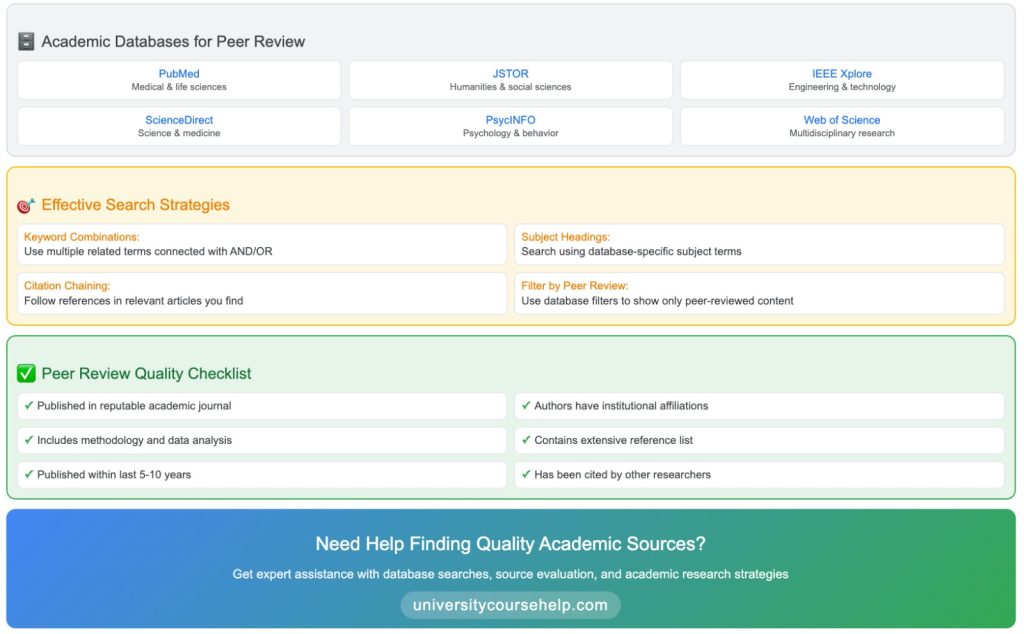
By applying these filters, you ensure that the sources you are referencing are high-quality, scientifically valid, and trustworthy for academic work.
Book Reviews: An Alternative Source for Peer-Reviewed Insights
While book reviews are not always classified as peer-reviewed articles, they can provide valuable insights into the academic reception of books and scholarly work. These reviews are often written by experts and published in academic journals or magazines, providing analysis of recent publications.
- Finding Book Reviews: If you are researching a specific book, you can search for book reviews in databases such as Google Scholar or use library databases to locate reviews in scholarly or academic journals.
Though book reviews may not always go through the same peer-review process as journal articles, they still provide scholarly commentary and can help you evaluate the quality of the material you’re referencing in your study.
By using library databases, filtering your searches for peer-reviewed journals, and verifying the source of your articles, you can confidently gather the academic sources you need for your research. Always make sure to limit your search to ensure you’re pulling from peer-reviewed journals, whether you’re searching for scholarly literature in science, medicine, or any other discipline.
Library: Using Your University’s Library to Access Peer-Reviewed Articles
Many universities offer digital libraries and academic resources that help students find peer-reviewed articles. Here’s how you can make the most of these resources:
- Access Database Collections: University libraries provide access to a wide range of academic databases like EBSCOhost, Scopus, and PubMed, which focus on peer-reviewed journals. These platforms offer full text of peer-reviewed papers and allow you to search for scholarly articles within your specific discipline.
- Library Guides: Many universities have library guides or libguides at university that assist in searching for peer-reviewed journals. These guides at university provide instructions on how to use databases effectively and filter for peer-reviewed content.
- Remote Access: Many libraries offer online access to their collections, so even if you’re not physically on campus, you can still search for peer-reviewed articles and download them from the comfort of your home.
Ask a Librarian: Get Expert Help in Finding Peer-Reviewed Articles
If you’re unsure about how to find peer-reviewed articles, don’t hesitate to ask a librarian. They are experts in searching for scholarly literature and can guide you on how to know if an article is peer-reviewed. Here’s how librarians can help:
- Use of Database Filters: Librarians can teach you how to use filters in academic search tools to locate articles from peer-reviewed journals.
- Recommendations for Sources: Librarians can help locate peer-reviewed articles from credible journals and recommend specific journals or articles that may be highly relevant to your research.
- Clarify Citation Guidelines: If you’re unsure about how to cite from Google Scholar or any other peer-reviewed journal, librarians can assist you in proper citation formatting and guide you through the process.
Ready to Find Peer-Reviewed Articles for Your Research?
Discover how easy it is to access high-quality, peer-reviewed articles with the right tools and strategies! Whether you’re conducting academic research or writing a paper, finding reliable sources is essential. Let UniversityCourseHelp.com guide you in the process of searching for scholarly articles across Google Scholar, databases, and library resources.
By utilizing tools like Google Scholar, your university’s library, and asking librarians for help, you can easily find peer-reviewed articles that are essential to your academic success. Understanding what is a peer-reviewed journal and how to find peer-reviewed articles will enhance your research quality, ensuring you’re always working with credible and reliable sources.
FAQs about How To Find Peer Reviewed Articles: Finding Peer-Reviewed Articles
1. Where Would I Find Peer-Reviewed Articles?
You can find peer-reviewed articles in various academic databases and digital libraries. Some of the best sources to locate peer-reviewed articles include:
- Google Scholar: A search engine specifically for scholarly literature. It’s a great place to start your search for scholarly articles and peer-reviewed journals.
- University Library: Most universities offer access to databases like JSTOR, PubMed, and ScienceDirect where you can find peer-reviewed journal articles.
- Libguides at University: Library guides (or libguides at university) help you search for articles and access databases that contain scholarly and peer-reviewed content relevant to your subject or discipline.
By using these resources, you can ensure that the source you’re using is academic and meets the high standards of peer review.
2. How Do I Find If an Article Is Peer-Reviewed?
To know if something is peer-reviewed, you can check several factors:
- Check the Journal: Look up the publisher and see if it’s a peer-reviewed journal. Major peer-reviewed journals usually list their editorial process on their website. For example, journals like Nature and The Lancet are well-known peer-reviewed publications.
- Use Databases: Many databases, such as Google Scholar, have a limiter that lets you filter for peer-reviewed journal articles only. You can enable the limiter while searching for articles related to your topic.
- Ask a Librarian: If you’re unsure about the peer-reviewed status of an article, you can always ask a librarian at your university library. They are well-versed in helping you locate peer-reviewed articles and can direct you to scholarly journals or guide you on how to search for scholarly sources.
- Look for the Article’s Abstract: Some articles will indicate whether they have been peer-reviewed in their abstract or publication details.
3. Where Can I Find Peer Reviews of Articles?
Peer reviews of articles are typically part of the article’s process and can sometimes be found within the journal’s publication. Here’s how you can find peer reviews of articles:
- Look at the Journal’s Website: Scholarly journals often feature articles that have been through a peer review process. Some journals provide details about the review process on their website, giving insight into the quality and credibility of the article.
- Google Scholar: Use Google Scholar to find articles and check their citation record. Articles that have been cited multiple times may have undergone peer review and can be a great source to find scholarly articles.
- Library Databases: Many academic databases provide access to peer-reviewed journal articles and sometimes even publish peer reviews for journals or articles. These can usually be accessed through a university’s digital library or library guides.
- Review Websites and Publisher’s Pages: Some publishers provide peer reviews for their articles on their own platforms, offering a glimpse into the quality and editorial process.
4. Can You Find Peer-Reviewed Articles on Google?
Yes, you can find peer-reviewed articles on Google, especially using Google Scholar. Google Scholar is a search engine specifically designed for scholarly literature, including peer-reviewed journals. Here’s how you can find peer-reviewed articles using Google Scholar:
- Search in Google Scholar: Go to Google Scholar and enter your search terms. You will get results for scholarly journal articles, many of which are peer-reviewed.
- Use Filters: After you get your search results, you can narrow your search by date, author, or even the discipline you’re researching.
- Locate Peer-Reviewed Articles: If the article has been published in a peer-reviewed journal, you will typically see this mentioned in the journal’s information. You can also click on the article’s link to navigate to the journal’s website and check if it’s indeed peer-reviewed.
- Citation Count: In Google Scholar, articles that have higher citation counts are often from peer-reviewed journals and are likely to be reputable sources for your research.

